


Unpacking the Power of Muay Thai Sanctioning Bodies
If you've ever watched a high-stakes Muay Thai bout, seen a fighter proudly hoist a championship belt, or perhaps even dreamt of stepping into the ring yourself, you've likely encountered the influence of a Muay Thai sanctioning body. But who exactly are these organisations, and what critical role do they play in the "Art of Eight Limbs," especially here in Australia?
From setting the rules of engagement to crowning champions and pushing for global recognition, these bodies are the unsung heroes behind the sport's structure and growth. Let's pull back the curtain and meet some of the major players, with a special focus on how state authorities down under ensure a safe and fair fight.
The Heavyweights of Regulation (Global Scene)
While the world of Muay Thai can sometimes feel like a mosaic of different promotions and gyms, several key international sanctioning bodies provide the framework for professional and amateur competition.
The World Muaythai Council (WMC): The Guardian of Tradition
Imagine an organisation that's not just about fights, but about preserving an entire cultural heritage. That's the WMC. Established in 1995 with the direct backing of the Royal Thai Government and sanctioned by the Sports Authority of Thailand, the WMC is arguably the most authoritative professional sanctioning body for Muay Thai worldwide.
What they do:
Professional Prowess: They sanction professional Muay Thai fights and award prestigious championship titles across the globe.
Global Expansion: A core mission is to expand Muay Thai's reach, inspiring new generations and helping athletes hone their skills.
Rule & Regulation Architects: The WMC works closely with national sports authorities to set the standards for everything from fight rules and weight divisions to fighter safety.
Cultural Custodians: They are deeply committed to maintaining the cultural essence of Muay Thai, including the revered Wai Kru Ram Muay pre-fight ritual. In 2014, receiving Royal Patronage from His Majesty King Bhumibol Adulyadej cemented their status as true guardians of the sport.
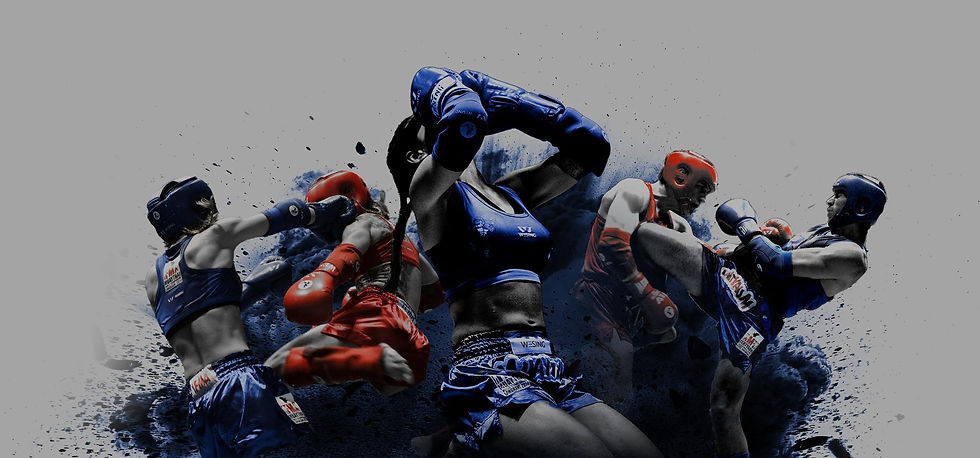
The International Federation of Muaythai Associations (IFMA): The Olympic Dream
If you've heard whispers of Muay Thai potentially becoming an Olympic sport, you can thank IFMA. Founded in 1993, IFMA (originally the International Federation of Muaythai Amateur) is the internationally recognised governing body for both amateur and professional Muay Thai. Their biggest claim to fame? Official recognition by the International Olympic Committee (IOC)!

What they do:
Olympic Aspirations: Their relentless efforts have seen Muay Thai included in major multi-sport events like The World Games, World Combat Games, and Asian Indoor and Martial Arts Games – all stepping stones towards Olympic inclusion.
Amateur & Youth Development: IFMA is a powerhouse for amateur and youth Muay Thai, running championships and nurturing future talent.
Standardisation & Safety: They focus on standardising rules for amateur competitions, ensuring consistency and safety for athletes.
Clean Sport Advocates: Collaborating with organisations like WADA, IFMA champions anti-doping efforts to keep the sport fair and clean.
Unified Vision: In a significant move, IFMA unified with the WMC in 2019, creating a more cohesive structure for both the amateur and professional realms.
World Boxing Council MuayThai (WBC MuayThai): The Green Belt's Reach
While the green belt of the WBC is synonymous with boxing, their dedicated Muay Thai division, established in 2004, has become a significant force.

What they do:
Professional Sanctioning: Like the WMC, WBC MuayThai sanctions professional bouts and awards their distinctive green and gold titles.
Global Rankings: They maintain a comprehensive ranking system for professional Muay Thai fighters worldwide.
Amateur Opportunities: They've expanded into the amateur scene, offering tournaments and super-bouts to provide more pathways for aspiring Nak Muays.
Integrity First: The WBC MuayThai places a strong emphasis on integrity, fair play, and the use of well-trained officials.
World Muay Thai Organization (WMO): Another Global Contender
The WMO is another active international sanctioning body, contributing to the global Muay Thai landscape by organising and sanctioning events. They are a notable presence, regularly holding professional title fights and working to expand the sport's reach.
Australia's State-Based Safeguards: Local Authorities at Work
While the international bodies set global standards and crown world champions, the day-to-day regulation and safety of Muay Thai events in Australia fall under the jurisdiction of state and territory combat sports authorities. These government-appointed bodies are crucial for ensuring the health and safety of combatants and the integrity of the sport within their respective states.
Let's look at a key example:
Combat Sports Victoria (Professional Boxing and Combat Sports Board)
In Victoria, the Professional Boxing and Combat Sports Board (the Board), operating under the Department of Jobs, Skills, Industry and Regions, is the primary regulator for professional boxing and combat sports, including Muay Thai.
What they do in Victoria:
Promoter Permits: They issue permits for professional combat sports promotions and exhibitions.
Contestant & Official Registration: The Board assesses and registers all professional contestants, officials (referees, judges, timekeepers), and trainers. This ensures everyone involved meets specific criteria and standards.
Match-up Assessment: They assess proposed match-ups to ensure competitive and safe contests, aiming to prevent mismatches that could endanger fighters.
Supervision: Board members supervise weigh-ins and events to ensure compliance with rules and regulations.
Rule Enforcement: They enforce strict rules, requirements, and conditions for all licence and registration holders. This includes specific rules for Muay Thai contests covering aspects like ring specifications, glove weight, and permissible techniques.
Safety Priority: A paramount focus is contestant safety, with ongoing assessment of medical evidence, particularly regarding concussion and traumatic brain injury management. They mandate specific rest periods after different fight outcomes (e.g., KO/TKO).
Integrity: They work to reduce malpractice and uphold the integrity of the industry.
The Australian Muay Thai Landscape: A Layered System
So, what does this mean for Muay Thai in Australia? It creates a layered system of governance:
International Sanctioning Bodies (WMC, IFMA, WBC MuayThai): These bodies provide global recognition, set overarching rules for professional and amateur competition, and offer pathways to international titles and events (like the World Games). Organizations like Muay Thai Australia (MTA), recognised by IFMA, act as the national sporting organisation for Muay Thai in Australia, working to develop the sport at a national level and providing pathways for elite athletes.
State and Territory Combat Sports Authorities: These government bodies are the on-the-ground regulators.They issue permits for events, register all participants (fighters, officials, promoters, trainers), and enforce health and safety standards that must be met before any professional (or often amateur) event can legally take place in that state. They ensure that the rules of the international sanctioning bodies are adhered to, and often impose additional local requirements for safety.
Why is this important?
This dual structure ensures that while Muay Thai can align with global standards and aspirations (like Olympic recognition), the immediate safety and welfare of every fighter and the integrity of every event held within Australia are rigorously overseen by local authorities. It means that whether you're a seasoned pro aiming for a world title or an amateur stepping into the ring for the first time, there's a system in place to protect you and ensure fair play.
The interplay between these global bodies and local government authorities is vital, creating a comprehensive framework that helps Muay Thai thrive safely and legitimately on Australian shores.

Comments